
Table Talk: Come Together
It's not good for man to be alone

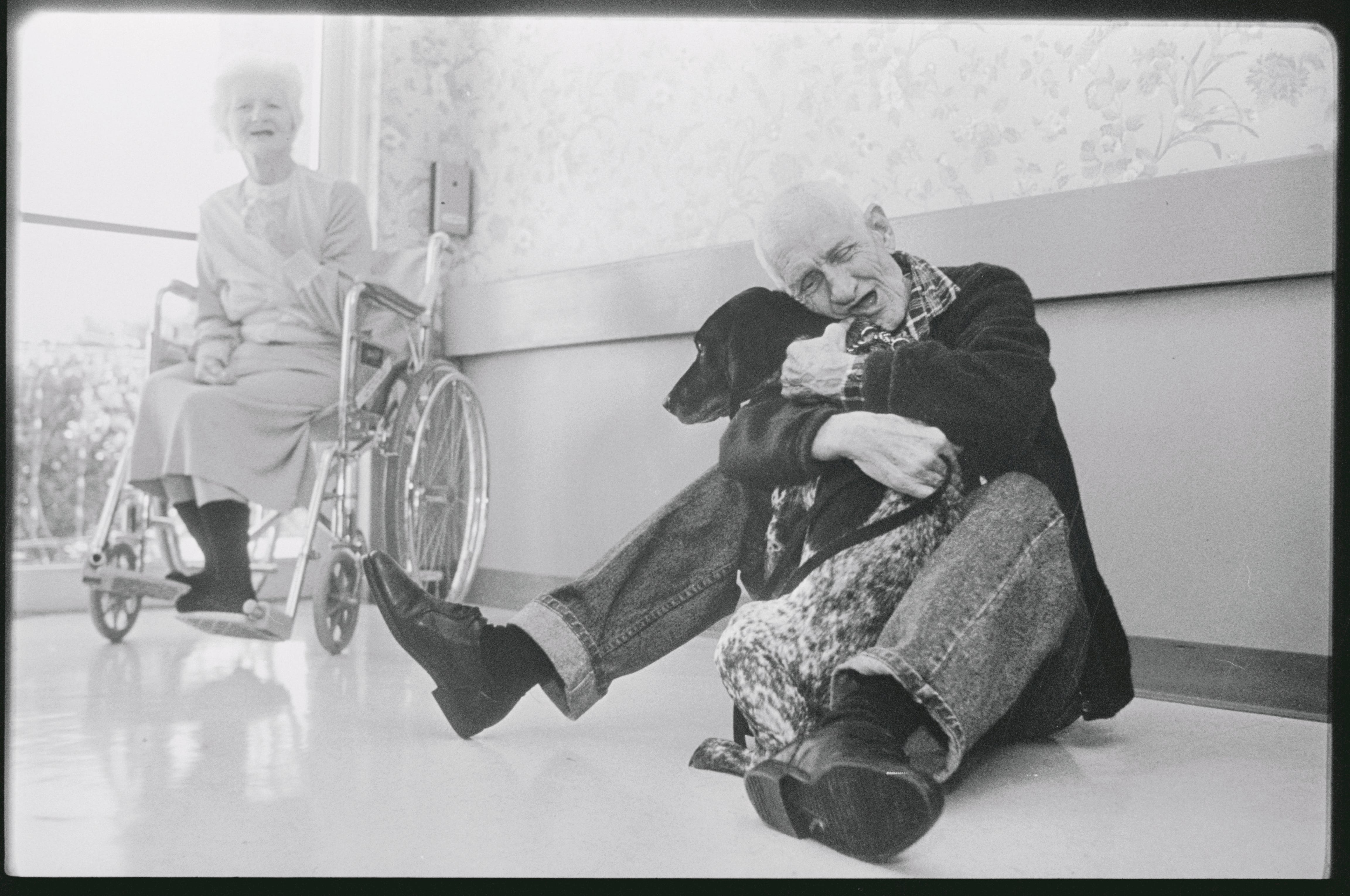
For some time now, I have wondered if our overheated politics, and indeed the unravelling of civil society, can be traced to the breakdown between men and women. When cooperation is replaced by competition, and love by scorn, men and women have trouble coming together and starting families and cultivating communities — and a great many more people, including children, lead lonelier lives. When we are lonely, we are unmoored. We are more vulnerable to extremism.
This is not an original argument. Versions of it exist on the left and the right. The left stresses the link between alienated, unaffiliated young men and hard right populism, whereas the right contends that depressed and anxious young women have channelled their distress into radical leftism. There’s probably truth to both perspectives.
If we can, let’s try to lift this argument out of the realm of polarized sexual politics and into daily human experience. Contemplating the consequences of isolation is one way of investigating “the understory” of our current tensions, something that Amanda Ripley encouraged us to do on a recent episode of the Lean Out podcast.
I’ve been mulling it over this past week, thinking through census data on the state of the Canadian family, which is looking increasingly fragile. According to Hub analysis, during the past decade, marriage rates have declined. Not only are fewer young adults marrying but when they do marry, they marry later in life. Many Canadians live on their own — 30 percent of all households — making this the most common living arrangement in the country. The fertility rate, meanwhile, has dropped to 1.25 births per woman, and we are now one of the lowest fertility countries in the world.
One bright spot in the data is the rise in same-sex unions. But with the exception of that trend, our society is contracting rather than expanding. I am not the first to point this out: Less spouses and less children means less siblings, less cousins, less grandparents, less uncles and aunts. Without broad, stable family networks, we have less of an anchor in life. We have less people to lean on.
In envisioning new kin arrangements, though, we should be realistic about the limitations of modern life. Housing crises constantly uproot us. Work is precarious and jobs demand long hours. The cost of living is high. Many of us are overwhelmed and stressed. Having little support ourselves, we often have little to give. It may be unrealistic, then, to expect “chosen families” to step into the role that families have historically played. Add to that, such bonds can lack stability: if we choose our family members we can always choose otherwise.
With nuclear families on the decline and nothing concrete stepping into the void, we have a serious problem. Because we humans need each other — not in any casual sense but in an urgent and ongoing way. This is true of childhood, obviously, but it is also true of old age.
The American writer Larissa Phillips and I talked about this on the podcast recently. “A lot more Gen X didn’t have children than Boomers,” she said. “We aren’t old yet. What is it going to look like? Who is going to take care of them?” People will no doubt go into care, she added, but anyone who has a parent in a nursing home knows that “you cannot just leave them there.” Who will check on all these childless seniors? After that episode aired, Phillips tweeted about her mother, who is 86 and in the early stages of Alzheimer’s. Phillips and her sister were on the phone with her the night before she went in for a medical procedure, going over the details. “I really don’t know what I would do if I didn’t have you two,” her mother told them.
This matters, not just from a practical standpoint but from an emotional one. If you have ever been in an emergency and found yourself with no one to turn to, you know how painful that can be. We are not meant to weather life’s storms alone, and historically that is not how humans have lived. As the American writer Sebastian Junger points out, we are wired for interdependence. The consequences of trying to live otherwise are dire. I am reminded of a quote from Mother Teresa: “Being unwanted, unloved, uncared for, forgotten by everybody, I think that is a much greater hunger, a much greater poverty, than the person who has nothing to eat.”
What if we took our hunger for connection seriously? What if we looked at it as foundational to the political chaos that we are living through? What if the aloneness that so many of us experience is the understory? Solving political extremism is notoriously difficult. But noticing the individuals in our own circle that are isolated, and giving them some attention and care, is far easier.
Regular podcast listeners will know that loneliness is not an academic question for me, but a deeply personal one. Today, I want to share how I worked through it.
