
Table Talk: Kitchen Wisdom
Make yourself at home

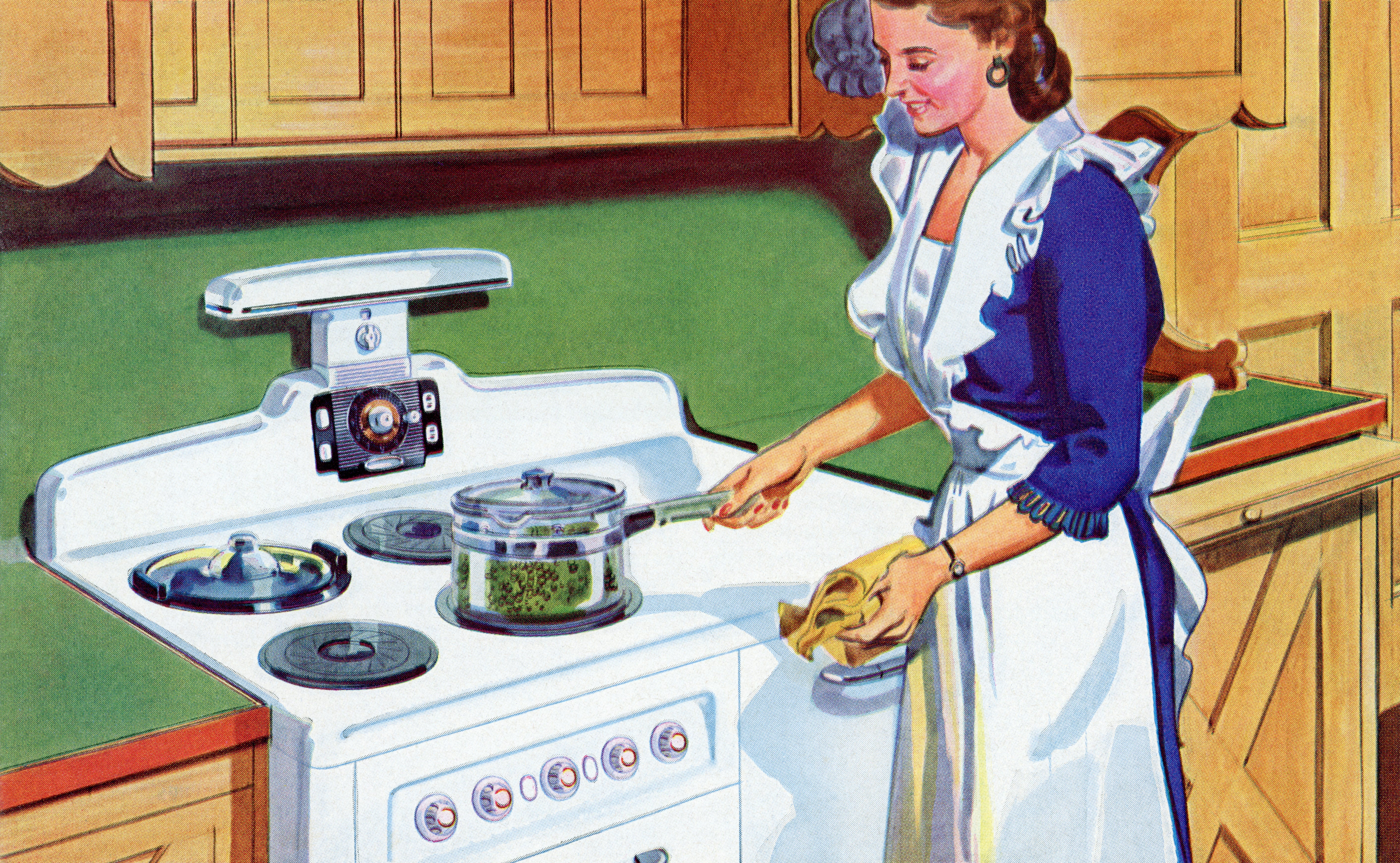
Home is an elusive concept in the 21st century. We chase jobs from city to city, work long days, and have little connection to our neighbourhoods. Meanwhile, cramped condos allow no space for dining tables, let alone a guest room for family and friends to stay. Homes don’t feel lived in. They often feel like just a place to sleep.
But as we stare down political instability and grapple with the unease that brings (the subject of this week’s podcast with Eddie Sheppard), cultivating a restorative home life is one way of giving ourselves a little equilibrium. This starts in the kitchen, the heart of any home.
It’s something that I’ve been thinking about for years, since my early thirties, when I decided I needed to learn to cook. I’d been baking since I was a teenager and when hard-pressed, I could assemble a decent pasta if I relied on a pre-made tomato sauce and good parmesan. But I lacked the expertise to pull off anything more complicated. I was living alone in a big city, working in an editorial role that demanded the majority of my waking hours, eating plenty of take-out and putting on weight. Naturally, I had no home life whatsoever. When I went to the grocery store, I would stare longingly at the jars of pureed soup. How did one make a soup? How did one make a home? I had no idea.
I had grown up in a family of food lovers, with a mother who’s an excellent cook. My mother favoured scratch cooking and high-quality ingredients, drawing on recipes from her British heritage, her love affair with French cuisine, and her forays into the Californian vegetarian fare that was popular at the time. She maintained an eclectic roster of comfort food classics, including quiche, shepherd’s pie, macaroni and cheese, tortillas with beans, spaghetti bolognaise, cauliflower soup, and baked potatoes and salad (topped with a creamy dressing from the 1985 diet book Fit For Life). She made her own yoghurt, and baked her own bread, and rolled out her own pizza dough. She made pancakes and banana bread and bran muffins. She also made great sandwiches, including one that featured thick slices of homemade caraway rye, slathered in mayonnaise and stuffed with avocado, tomato, and alfalfa sprouts. Decades later, I still crave it.
As a moody teenager, I had little interest in learning how to make anything, and thus made it to adulthood without obtaining these basic life skills.
Still, I knew how home cooking tasted — and felt. By the time I was 30, I was on staff at a magazine where I was increasingly called on to write about food, and where I would ultimately become the food editor. It seemed like it was time to learn to cook.
The story of how I did so is recounted in my first book, so I will not rehash it here, other than to say that it turned out to be much easier than I’d expected, despite lacking any natural ability or talent. In the end, it mainly just required getting my hands on good cookbooks and then meticulously following the recipes. What surprised me most about daily cooking was that it was one of the rare areas in life where pleasure and good living aligned. Scratch cooking tasted better than prepared foods and take-out, and a good 90 percent of restaurants. But it was also better for you by any other metric I could come up with: your budget, your waistline, your spirit, even the planet.
The thing was that it took time. Lots of it. So, I had to learn some tricks to minimize the hours spent, particularly on weekdays. I had to learn to feed the fridge.
What, pray tell, is that?
