
Table Talk: Kitchen Wisdom
The lean winter months eventually give way to summer's abundance

Freezing rain flooded our walkway this morning — yet another sign that winter is determined not to give up without a fight. Technically today is the first day of spring, but the wind has been unrelenting and the forecast grim. At lunch I trudged through a storm to a yoga class, questioning why I don’t live on the west coast, where, I am told, the daffodils have been in bloom for a month.
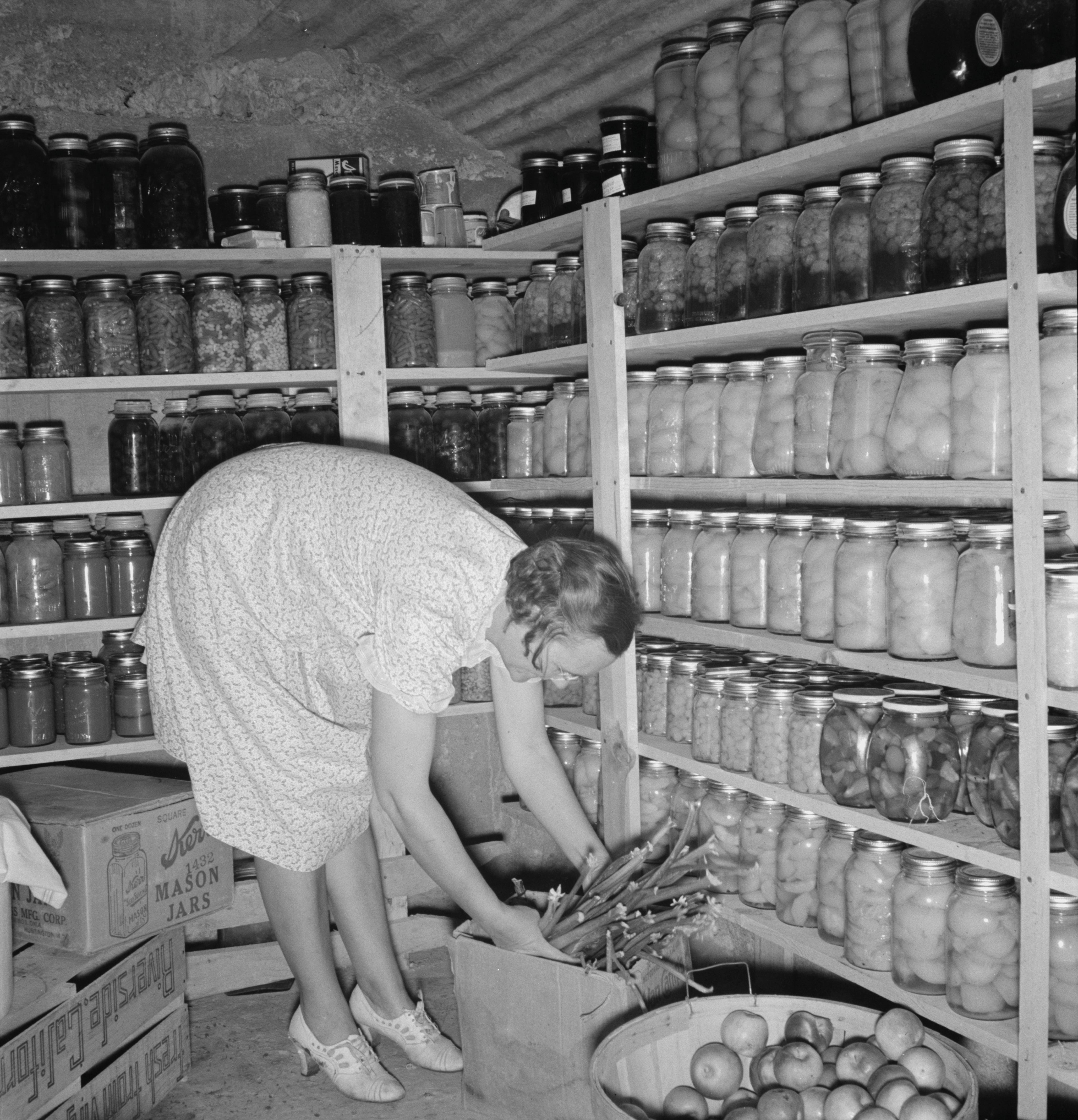
I always find it hard to wait out these final weeks before the warmth returns and Toronto’s residential neighbourhoods explode in lush greenery. The bleak feel in late March somehow reminds me of an empty pantry. Every year, I think about how our ancestors must have fared, tramping down to root cellars to survey the bare shelves. Would there be one last jar of preserved peaches for a pie? Or would they need to make do with some simple shortbread?
My local farmers’ market reflects the season’s scarcity. If I’m lucky, I might score the last of the Ontario leeks, but otherwise I’m prepared for a stingy spread of sad carrots and lonely parsnips, and not much else. Listless, I wander from vendor to vendor, dreaming of wild strawberries and leafy greens, field tomatoes and ripe melons and sweet corn. I fantasize about making apricot jam.
To keep myself occupied while I await summer’s bounty, I’ve been reading farm stories. A Lean Out subscriber, Mary, wrote to me to recommend an ode to rural Ontario, Finding Larkspur: A Return to Village Life. Its author Dan Needles is a former journalist and political speechwriter from a grand Canadian family who fell in love with farm life some five decades ago, eventually adapting his rural escapades to the theatre stage. With this amusing collection of essays, Needles takes us on a tour of his tiny township near Georgian Bay, introducing us to its resourceful residents (who “tend to resist supervision”), its “fractious and disputatious” politics, its farm dogs and church potlucks. “In Canada, as seemingly everywhere in the world,” Needles writes, “the national conversation may be driven by urban voices, but the national character is often very much a product of small towns and back roads.”
The post-pandemic era has seen an influx of perplexed (and perplexing) “blow-ins” who’ve fled city centres, bringing their boutiques and bistros and bouts of road rage. Bearded rock climbers now disdain Needles as “hopelessly mainstream” and “a slave to consumer culture” and lecture him on how farming is “a blight on the planet.” The upshot is that “people who grew up enjoying the anonymity of the city find they must learn to account for their behaviour when they see the same people every day in the grocery aisle.”
There are other lessons to be learned from the clash of cultures, too. In one memorable episode at a Collingwood fair, a seventh-generation farmer and an eco-warrior went “toe to toe in a heated and bizarre argument” over wind turbines. Still, at the end of the day, both declared they’d had a marvellous time. “Remembering those two locked in combat in the sheep barn reminds me that good people must always be given the chance to say what is on their minds, hear arguments from the other side, rebut them and pose fresh ones,” Needles writes. “It might seem endless and fruitless at times but, without a proper hearing, the shouting never stops, positions harden to stone and the search for common good always comes up empty-handed.”
The thread that ties together all of Finding Larkspur’s entertaining essays is, of course, food. Needles produces a lot of it on his small acreage, filling his freezer every fall. And not that long ago, his neighbours relied on their pantries to sustain them during long months with no access to fresh fruit or vegetables, cooking from Mason jars filled with jams, jellies, stewed tomatoes, rhubarb, and plums, mustard pickles, corn relish, and pickled eggs, along with sacks of onions, turnips, and potatoes. Needles recalls in the 1990s meeting a couple at a farm auction who told him that they didn’t leave their farmhouse for much of the winter, venturing out only once in February to stock up on staples like tea and sugar.
These farm stories mesmerized me and distracted me from my impatience with the weather. Best of all, Needles reminded me of the cyclical nature of life. Summer would surely come, I just needed to bide my time.
Biding My Time Shortbread
Adapted from Scotch Shortbread recipe in The Joy of Cooking, 75th anniversary edition
Makes about 24 small bars (or one dozen medium-sized bars)
1 and 1/2 sticks of unsalted butter, at room temperature
1/4 cup of icing sugar
1/4 cup granulated sugar (plus extra for sprinkling on top)
1/4 teaspoon of salt
1 and 1/2 cups of all purpose flour
Preheat the oven to 300F. Cream butter and mix in sugars and salt. Stir in flour. Knead until well combined. With your hands, shape the dough into rectangle-shaped bars. To decorate, use a fork to poke three rows of holes on each cookie. Sprinkle with sugar. Place on a parchment paper-lined baking sheet and bake until lightly browned, about 45 minutes or so. Count your blessings and trust that the sunshine will eventually return.
Love it, well done.
Thank you for your encouraging words.