
Transcript: Freya India
My interview with the British writer and commentator

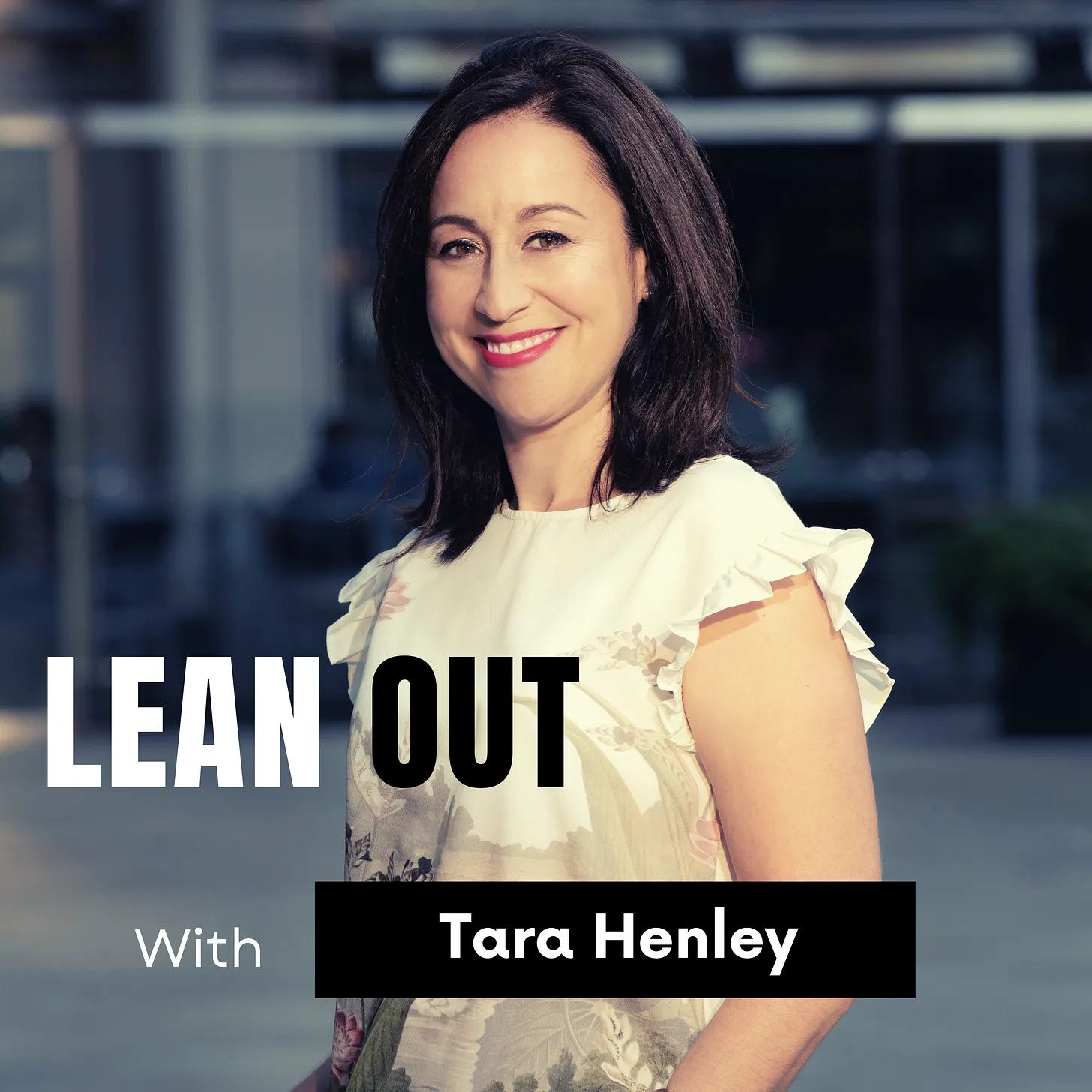
We know that young women are increasingly unhappy — with high rates of depression and anxiety — and my guest on the program this week says there’s good reason for that. In her new book, she argues that girlhood has dramatically changed in the Internet era and that young women have been transformed from people into products.
Freya India is a British writer and commentator, and a staff writer at Jonathan Haidt’s newsletter After Babel. Her new book is GIRLS: Generation Z and the Commodification of Everything.
This is an edited transcript for paid subscribers. You can listen to the interview here.
TH: It’s wonderful to have you on. As you know, I’ve been following your work for years. I have been lucky enough to reprint one of your essays in my newsletter, so it is fantastic to now discuss your first book. I want you to take us back to when you began thinking and writing about the distress that girls and young women are in. You call it a “quiet despair.” You talk about a radical transformation of girlhood. You were in your late teens/early twenties when you started researching this. What was that time in your life like?
FI: Yeah, I started writing when I was very young. I always wanted to be a writer, but I never really knew where to find my voice or what to focus on. I had noticed, as I was growing up, this constant feeling that I couldn’t cope with some of the things that other young women seemed to cope fine with. I had that throughout my teenage years. Then as I got into my late teens, I started to notice that other young girls couldn’t cope either. I was noticing that I would go out with friends and they would talk about having crippling anxiety disorders or horrifying stories of relationships that had traumatized them that they couldn’t get over. [They were] talking about themselves as if they were sick and broken — so, they had attachment disorders or they had depression. As you said, this quiet despair was going on. I noticed young women starting to voice that a little bit more.
Then I started to see that psychologists like Jonathan Haidt were mapping it out. It was weirdly comforting for me to see that, that there was actually something bigger going on. Then I thought, I’m going to try to write about that. And honestly just chronicle what I think has changed and what we are responding to. Girls is the result of that.
TH: In the book you talk about writing it [while] working at a café and writing notes in between making coffee. It really is amazing to see all of this compiled in one place. One is aware of these changes, but you have provided so many examples and so much data that it is a very compelling argument. You look at the ways in which girlhood has changed since the early 2010s. There has been a massive amount of technological change, but also cultural change. You argue in the book that girlhood has been commodified, that the Big Tech platforms have turned females into both the consumer and the consumed. Walk us through the broad strokes of your thesis.
FI: When I was working in the café, my main obsession was: Can I map this out and find a link between all of these things that are worrying me and making me feel very anxious? I would draw these mind maps of the beauty industry, where I felt so much pressure to look perfect. But I was also feeling this pressure to feel perfect. I noticed that there’s an industry pushing that as well. There’s a mental health industry. There’s all of these online therapy companies, medication companies. I just started to notice that in every area of my life where the anxiety was particularly intense, there was some kind of industry involved in whatever experience or anxiety I was having. And I noticed that the social media platforms were indulging that fear or anxiety, whatever it was.
That’s why I ended up sectioning the book into different anxieties that girls might have. So, it’s beauty, it’s their feelings, it’s their relationships, it’s their future. I started to notice a thread going through all of them, which is that there’s industries involved and there’s so much pressure for young women particularly to perform, or market, or package up, what they’re feeling and understand it through social media and the reviews that they are getting online. That’s how it became a book about commodification, because I felt that in all these aspects of life, girls were being encouraged to turn themselves into something more like products rather than people. I think that contributes to a lot of our anxiety and distress.
TH: Honestly, Freya, I feel emotional talking about this. It is chilling. Let’s start with the presentation of young girls and women online and on filters specifically. You write that “modern digital technology amplifies the age-old anxieties adolescent girls have always felt.” How so?
FI: When I was growing up, I would say things to my mum and she would look at me like, “That’s just girlhood, that’s just coming of age.” She was right. I’d worry about how I looked. I’d worry about my body, all of these things that pretty much every generation of women will relate to. But I really felt that there was something that I couldn’t get across to her that was different and unique. Looking back now, having charted it all out, I can see how much insane pressure there was — not just to look good, but to look perfect. I map out the filters, the beauty filters on Instagram and TikTok, and how crazy some of them are. I start with the Snapchat filters that I grew up with that. Looking back, they were relatively harmless. They would be a funny pair of dog ears that would at the same time smooth your skin and beautify you a little bit.
But now you can try on a TikTok filter that tells you where you need to have cosmetic surgery, that aligns your face with the perfect ideal and tells you all the areas in which you aren’t perfect. Plus, on top of that, you have these algorithms where young girls’ insecurities basically determine what they see on their phone. If you’re particularly insecure about, say, the size of your nose, you can get specific influencers who are pushing rhinoplasties and who are telling you different ways to conceal your nose and change your appearance. I think that is really what I wanted to get across — whatever vulnerability or insecurity you feel as a young girl right now, it’s very different from other generations because it’s so hard to move on from it. The platforms are tracking you all the time. They are looking for your insecurities, then they are selling you all of these different solutions through the algorithms that are so targeted to your unique worries.
TH: One example you provide is a former Facebook executive who has said that the platform tracked when users deleted selfies and then immediately sent beauty ads their way. The other side of this is the mental health conversation that you get into, which you argue incentivizes extremely vulnerable sharing, leaves users open to privacy violations, and really, in a way, fetishizes therapy and medication. You note that by 2024, one in four American Gen Z adults said that they had been to therapy as teens. Freya, how do we untangle impulses that could be good — seeking help when you’re suffering — from what we’re now seeing online? How do we help people understand where that line is?
FI: I think that the impulse to share how you’re feeling online did start off as quite healthy. I actually think it started off as a backlash to some of these beauty filters and the perfect lives that you’re seeing. There was this thinking that maybe if we share the darker side of our lives, the more realistic side, it would be a healthier Internet. But I tried to get across in the book that the mental health trends were basically dragged to their inevitable extreme, just like the beauty trends. So, you had girls going from watching pretty basic makeup tutorials to cosmetic surgery vlogs. At the same time, you have girls going from reading about anxiety online to then watching “five signs you have autism,” and the signs are so vague. They are just signs of being a 14-year-old girl.
I think the way that we tell the difference is — I think a lot of these mental health trends online, the reason I worry about them is that the core message is that you are the problem. If you are suffering, if you are anxious, if you have any of these age-old anxieties — like being worried about relationships or unsure about yourself or insecure about your body — the mental health content online can reframe that as “it’s your social anxiety disorder, it’s your body dysmorphia, you might be autistic or have ADHD.”
The reason I worry about that is because I laid out everything in the book that’s changed. At the end of the book, I thought, well, obviously girls feel anxious. This is a totally rational response to how different the world is now. My worry is we put girls through all of this and then we diagnose them if they can’t cope with it. I’m very skeptical and I wanted to get across that skepticism to some other young women — that maybe you’re not the problem. Maybe you’re just a human, and this is a very human reaction.
Maybe you’re not the problem. Maybe you’re just a human, and this is a very human reaction.
TH: Medication is an issue as well. Tell us about the company Cerebral, which was the subject of a Department of Justice investigation.
FI: Cerebral is one of these online medication companies that, in the U.S. at least, can deliver medication straight to your door. They were investigated for overprescribing stimulants like Adderall to young adults. In some of the files around this investigation, it was alleged that they had an internal goal of trying to prescribe to 95 percent of patients within their first half-hour appointment. What you have is a huge incentive to basically convince as many people as possible that not only do they have ADHD, but they need treatment.
I thought, I wonder how these companies are communicating to young people? Then I find that they sponsor all these influencers. So, there are influencers that say things like, as I said, “five signs you have autism” or “five signs you have ADHD” that will be something as vague as literally you talk a lot, or you find it difficult to concentrate at school. But they are being sponsored by medication companies that literally need to expand their customer base by doing this — by getting as many girls as possible to relate and to click and to think that they are unwell.
I think that sometimes as you’re scrolling through TikTok, you don’t quite realize that there are companies behind this. I think people also forget that mental health has become its own industry with its own profit incentives. I’m very skeptical of this idea that it’s all mental health awareness. I think some of it is a marketing campaign. I think girls suffer from that because, again, they get convinced that they are sick and they are broken when really I think most of us are just reacting to the world we’re in.
TH: You also write about loneliness and isolation and disconnection. This is something I’ve written about a lot as well. Walk us through what “therapeutic individualism” is and how you think it is contributing.
FI: I would describe it as this idea that your ultimate goal is your own self-actualization and meeting your psychological needs — things like your own autonomy and independence. I think that runs through a lot of content online. It may not be explicit, but it’s basically the underlying message of a lot of these therapy videos and a lot of this self-optimization content. I actually found that as I was tracing all of this in the book, that the main message that young people are getting from all directions is that you are better off alone.
I think we get that message from the mental health industry a lot because not only can this content pathologize your personality traits, it can also pathologize other people. Other people become inconveniences to your mental health. They become burdens. The message is that you will heal better if you are alone and you can focus on yourself and protect your peace and all of these things.
I think that also runs through a lot of relationship discourse where, again, other people become burdens and red flags and there are all of these reasons to avoid them. And that you’ll feel better if you’re a single, independent woman who can finally self-actualize. I noticed that this theme comes up a lot with the content online that young women are looking at, which is that they will be happier alone in some way. Or they’ll heal better alone or they’ll achieve more. I think that’s a really cruel message to tell young people, especially when the world is so different and challenging. Because we need each other more than ever.
TH: This ethos of emotional detachment is being actively promoted online. You talk about it in regard to sex, in places like the wildly popular podcast Call Her Daddy. There is this promotion of casual sex and hookup culture and a negation of what I think is most women’s general disposition, which is more toward relationship and commitment and trust. Yet in the midst of all of that, your generation is having what’s being called a sex recession. How do we think through that paradox? How do we think through that paradox between what is being promoted and what is happening?
FI: Yeah, I actually think they are very linked, where what is being promoted is a view of relationships and sex that is really quite off-putting and almost terrifying. I had to listen to some of these Call Her Daddy episodes to do my research for the book. Even at 26, I found it quite triggering to listen to. Because their view of men and of women is so bleak and it’s so transactional.
Essentially, they just scare the life out of young girls by telling them that no man will want to commit to them, that they can’t trust a man. Even if you’re married, you can’t trust him. That all men want is sex and they are insatiable predators. This is viewed as empowerment. It’s viewed as being an independent woman who’s able to express herself like a man might express himself. But really, I just find it so demoralizing.
Essentially, they just scare the life out of young girls by telling them that no man will want to commit to them, that they can’t trust a man. Even if you’re married, you can’t trust him. That all men want is sex and they are insatiable predators. This is viewed as empowerment. It’s viewed as being an independent woman who’s able to express herself like a man might express himself. But really, I just find it so demoralizing.
I think that that promotion of hookup culture and that promotion of being endlessly independent — never insecure, never jealous — has contributed to the sex recession. Because I think in all other areas of life, we didn’t have good role models and examples of men and women in stable relationships. Then you add on top of that these podcasts and this message that you can never trust men, you can never trust women. I think it pulls us apart.
When I was writing the book, I was giving all of these examples of how hookup culture was promoted and how we had all of these means to use and discard each other. Yet it didn’t really happen. We had a sex recession and I think it’s actually linked. It created a lot of fear and risk aversion in my generation.
TH: You point out porn’s influence on the culture. There’s a BBC study that showed 71 percent of men age 18 to 39 had slapped, choked, gagged or spat on a partner.
FI: Yeah. I think that we forget how young Gen Z were when they were coming across porn. I had to look at some of the statistics of how young they were and how it happened. A lot of the time it was accidental, where it was just on social media, it just popped up for them. A lot of the statistics were about seeing it in school, seeing it on school-owned devices. Surprisingly, it was a similar number of young girls and young boys seeing porn at the same time and around the same age.
I think the average age in the U.S. is 12, but I was going on forums where people were saying they were viewing it at six or eight. It was quite shocking to think about because, as you say, there’s this sex recession and Gen Z are actually dating much later than previous generations.
You have a generation of young people being exposed to porn before they can even put it in any context. Again, as well as these podcasts, this is another area where they are learning about men and women and relationships from a really distorted place before they have even tried to understand the opposite sex, or love someone even. I think that must have more of an impact than we admit.
TH: What do you think the media’s role is in all of this? I’m thinking about a Teen Vogue piece that you cite, “How To Be an Ethical Hookup Partner.” What role has mass media played here?
FI: I do think the media — at least what I was reading when I was a teenage girl, or was exposed to — would almost gaslight young women into feeling that they were the problem if they had any issue with these things. In the book, I talk about publications like Teen Vogue giving tips on how to have anal sex for teenagers and how to take the best nude selfies and just normalizing all of these things.
For me growing up, something like sending nudes to someone was so normalized to the point where if you had any hesitancy toward it, you would then feel frigid or controlling or insecure. I think it didn’t help having the media frame that as healthy. Again, it was self-actualization for young women. If you’re able to take nudes and you’re proud of your body, you’re in a healed, enlightened place and everyone else is too insecure to get there.
I grew up with that feeling that if I’m wary of any of these trends, it must be me. I think the media has a lot to answer for in terms of convincing a lot of young women that these things were not only normal, but a lot of the time glamorous and empowering.
I grew up with that feeling that if I’m wary of any of these trends, it must be me. I think the media has a lot to answer for in terms of convincing a lot of young women that these things were not only normal, but a lot of the time glamorous and empowering.
TH: The data that you cite seems to indicate that young liberal white women are the most unhappy of all. Why? Why do you think that is?
